
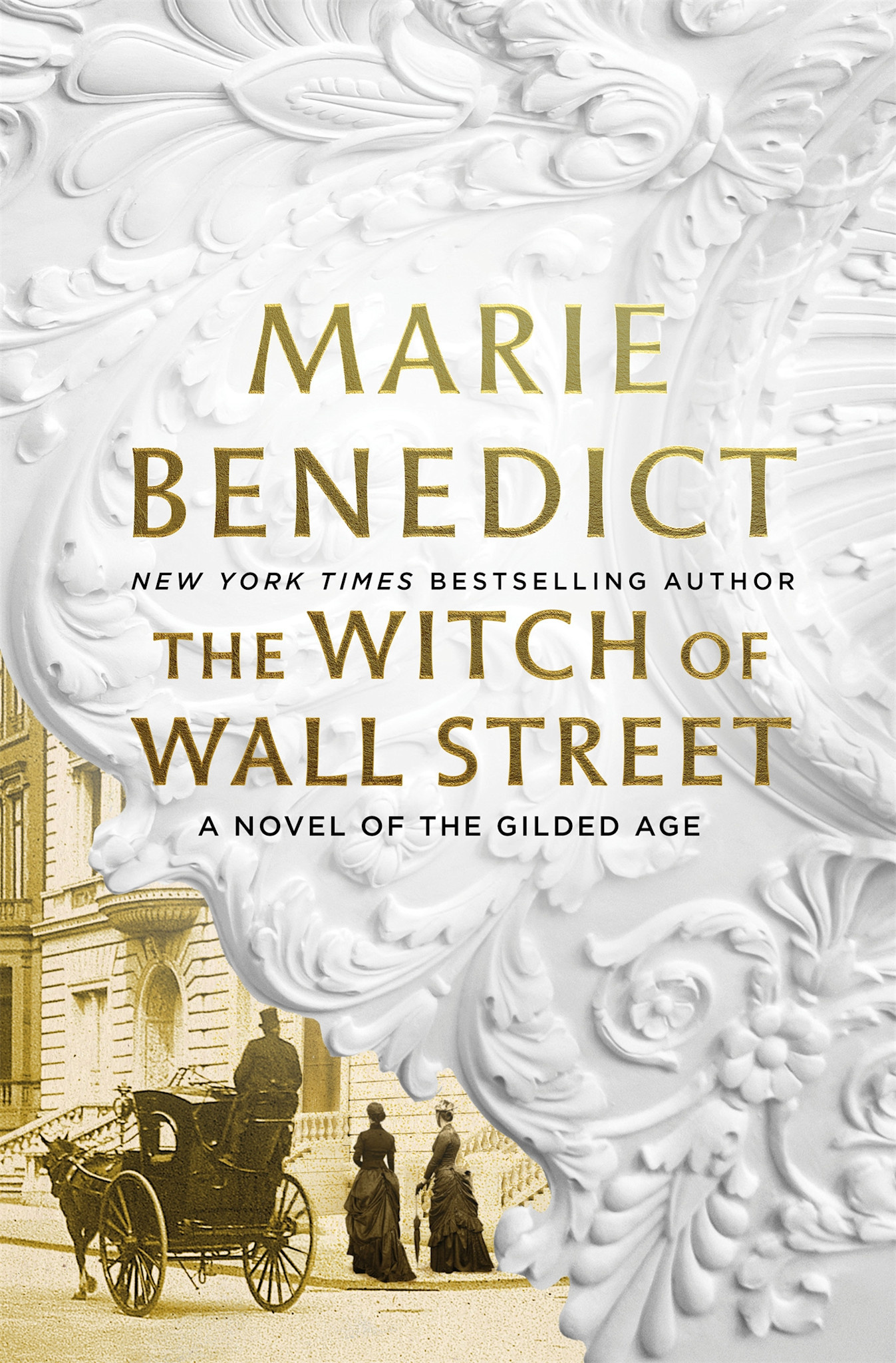

The Witch of Wall Street: A Novel of the Gilded Age
By Marie Benedict
$29.00
Add to wishlist
/
Add to compare
Publication Date: March 2, 2027
| Availability: | Out of stock, but more on the way Pre-orders ship after the publication date. |
From New York Times bestselling author Marie Benedict comes the story of the richest woman of the Gilded Age, the brilliant and controversial Hetty Green.
The Gilded Age, New York City. Hetty Robinson is not your average young woman. Born into a successful whaling family, her father, Black Hawk Robinson, imbued her with a keen business sense and a drive to succeed from childhood. When it comes time for her to enter society and find a suitable husband, she shocks the social world by rejecting her suitors and deciding to work with her father instead. With Hetty’s brilliance and unique investment strategy, their wealth grows.
Hetty’s heart is eventually captured by Edward Green, whose ambition matches her own. But after she is betrayed by her husband and family, causing her to lose almost everything she’s worked for, she comes to believe that happiness can only come from financial success. She strengthens her resolve to make her own fortune and pioneers investing, beating the giants of Wall Street at their own game, including Andrew Carnegie, J.P. Morgan, and Huntington Hartford. Her bitter competitors vilify her as a heartless shrew, pushing the newspapers to dub her “The Witch of Wall Street,” a ruthless woman who will stop at nothing in search of the next dollar.
But while Hetty is determined to win, she is also honest and fair and compassionate, even secretly bailing out New York City more than once. In The Witch of Wall Street, Marie Benedict presents an achingly human portrait of the misunderstood Hetty Green, the richest woman of the Gilded Age—self-made, at that—and a genius.
About the Author
No reviews yet. Be the first to write a review.